


Bond Aston Martin Vanquish held at German border over unpaid import duties
BROWSE BY: FILM | ACTOR | PRODUCT | NO TIME TO DIE | BOND 26 | GIFT GUIDE
When you purchase through links on this site, we may earn an affiliate commission. Read more.
Advertisement

An Aston Martin Vanquish was temporarily detained by German customs after it was brought across the border from Switzerland without the required customs declaration.
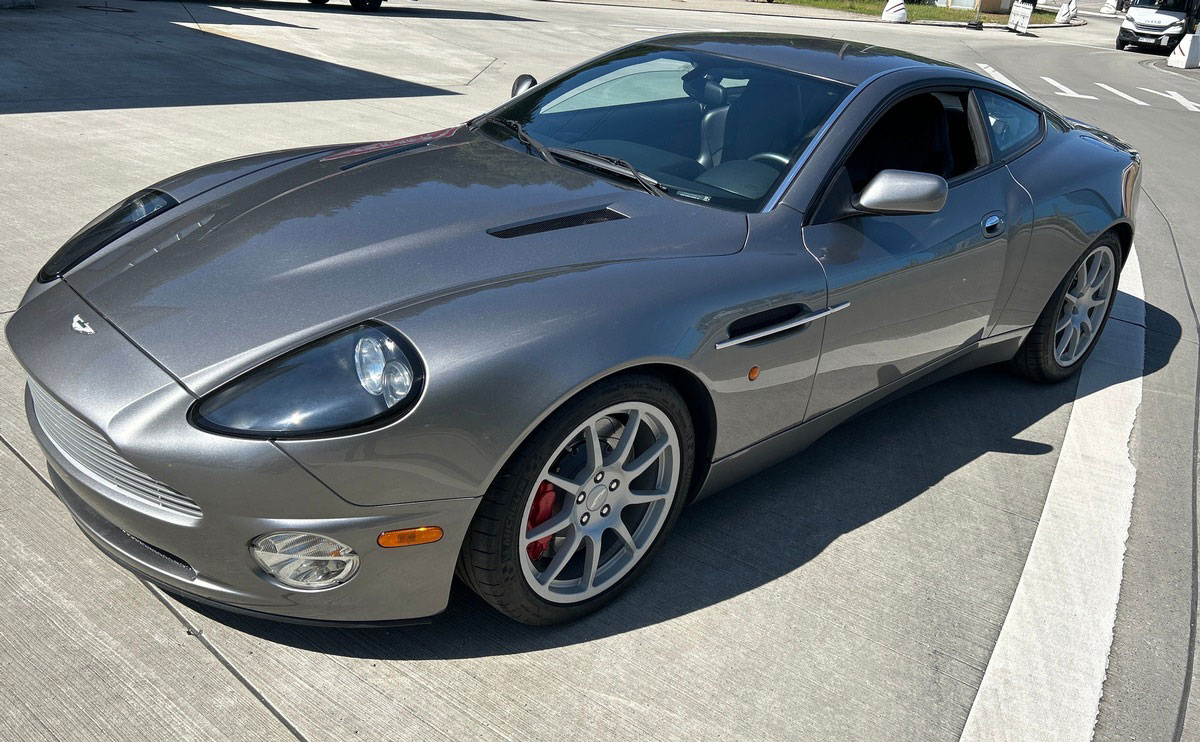
In mid-June, a 52-year-old Dutch national attempted to transport the Aston Martin Vanquish, valued at approximately €62,000, through the Bietingen customs office on the German-Dutch border.
The Aston Martin V12 Vanquish is one of the marque's most iconic Bond cars, making its debut in Die Another Day (2002). Finished in a similar Tungsten Silver-style grey, the V12-powered grand tourer featured an array of Q Branch gadgets, including adaptive camouflage, ejector seat, machine guns and missiles.
The vehicle and trailer combination did not go unnoticed by customs officers. Shortly after crossing the border, the transport was stopped and the driver was asked to provide customs documentation.
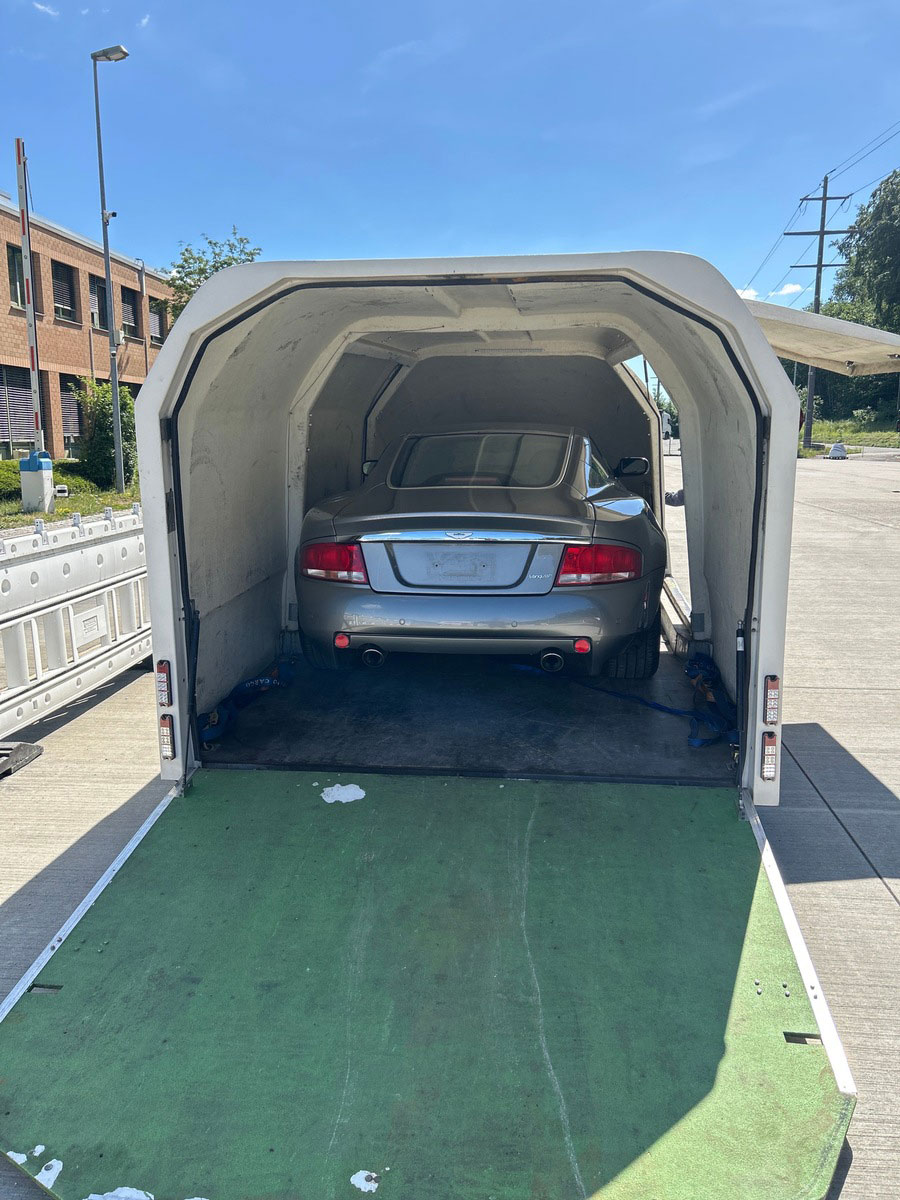
According to German customs, the man explained that his client had purchased the vehicle in Switzerland and that customs clearance would be completed later in the Netherlands.
"In principle, parties involved in customs procedures are free to choose whether to pay duties on goods directly at the border or at their local inland customs office," explained Sonja Müller, spokesperson for the Singen Main Customs Office. "If the party chooses the latter option, the goods must be declared to customs at the border at the latest, and a security deposit must be paid to cover the anticipated duties."
Because the vehicle had not been declared, tax penalty proceedings were initiated. The driver subsequently paid the calculated import duties of approximately €19,200 via an instant bank transfer, allowing him to continue his journey with the Aston Martin.
The Penalties and Fines Unit of the Karlsruhe Main Customs Office is handling the ongoing tax penalty proceedings.
German customs noted that goods imported into the European Union are generally subject to import duties when they enter the customs territory. While the Union's transit procedure allows customs clearance to take place at a destination inland customs office rather than at the border, importers must still declare the goods when crossing the border and provide a financial guarantee covering the expected duties. Failure to do so can result in tax penalty proceedings, even if the duties are paid later.
Photos © Hauptzollamt Singen
More News
Related Pages


Add new comment
NO TIME TO DIE